
The Future of Renewable Energy: Key Developments and Impacts
In recent years, renewable energy has moved from being an experimental concept to a cornerstone of global sustainability efforts. As countries race to meet climate goals, the **future** of clean power is shaping up through groundbreaking innovations. News media plays a vital role in tracking these developments, ensuring the public stays informed about how **renewable energy** will transform our world.
Key Developments Shaping the Renewable Energy Landscape
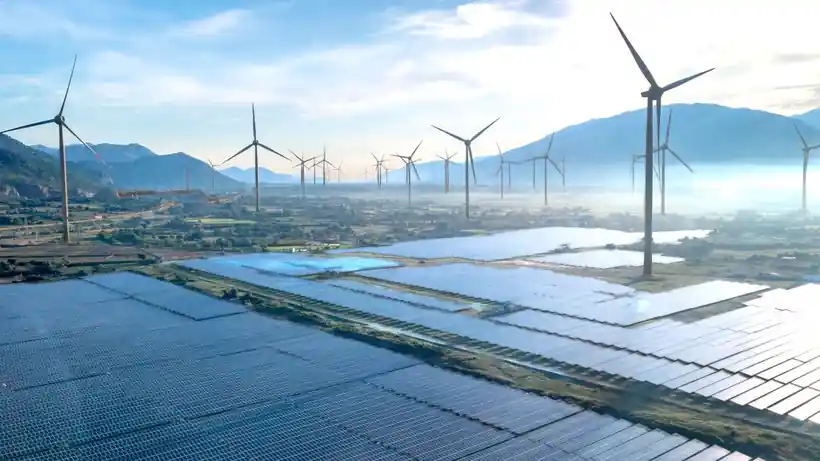
Solar and wind technologies are leading the charge in the **future** of clean power. For example, solar panel efficiency has improved by over 20% since 2015, thanks to advancements like perovskite cells and bifacial panels that capture sunlight from both sides. Meanwhile, offshore wind farms are now generating electricity at costs rivaling fossil fuels, with projects in Europe and the U.S. setting new benchmarks.
- Solar: Prices have dropped by 80% since 2,010, making it one of the cheapest energy sources globally.
- Wind: Modern turbines now spin at higher altitudes and use AI to optimize performance.
Battery storage is another game-changer. Companies like Tesla and LG Energy Solution are deploying lithium-ion batteries that can power cities for days during outages. Meanwhile, solid-state batteries promise longer lifespans and faster charging times, which could revolutionize electric vehicles (EVs) and grid stability.
- Lithium-ion: Stores energy from renewables to smooth out supply gaps.
- Solid-state: Expected to cut EV costs by $10,000 by 2030 (BloombergNEF).
America’s **renewable energy** sector is also gaining momentum. In 2023, solar and wind provided over 40% of U.S. electricity during peak hours, according to the Department of Energy. News media has highlighted how states like Texas and California are investing billions in infrastructure to scale these resources.
The Broader Impacts of Renewable Energy Adoption
Switching to **renewable energy** offers environmental benefits beyond carbon reduction. For instance, wind farms can boost local wildlife habitats by providing safe zones for birds and bats. However, challenges remain, such as land-use conflicts and the need for rare minerals in battery production.
- Environmental gains: Could cut global CO2 emissions by 70% by 2050 (IEA).
- Challenges: Mining for lithium and cobalt raises ethical concerns about labor and ecosystems.
Economically, renewable energy is creating millions of jobs. The International Renewable Energy Agency (IRENA) reports over 13 million direct jobs in solar, wind, and related sectors globally. News media has spotlighted how rural communities are benefiting from job creation in solar panel manufacturing and maintenance.
The Role of News Media in the Renewable Energy Narrative
News outlets like *The New York Times* and *BBC Science* are crucial for translating complex energy data into digestible stories. Their coverage helps shape public opinion, influencing policy decisions and investment trends. For example, reporting on Germany’s “Energiewende” (energy transition) has inspired similar initiatives worldwide.
- Policymaking: Media highlights of climate disasters boost support for renewables.
- Investor confidence: Positive news about tech breakthroughs drives funding to startups.
However, misinformation remains a risk. News media must prioritize accuracy, especially when reporting on topics like grid reliability or the safety of nuclear fusion projects. Trustworthy outlets help debunk myths, such as claims that renewables are inherently unstable, which is often disputed by experts.
Toward a Sustainable Future
The **future** of renewable energy depends on collaboration between governments, businesses, and media. As technologies advance, staying informed through reliable news sources will be key to navigating this transition. Whether you’re an investor, policymaker, or everyday consumer, the shift to clean power is already reshaping our world.
If you want to stay ahead of these changes, follow trusted **news media** outlets for updates on technological breakthroughs and global policies. The journey toward a sustainable energy future is underway—and your engagement matters.