
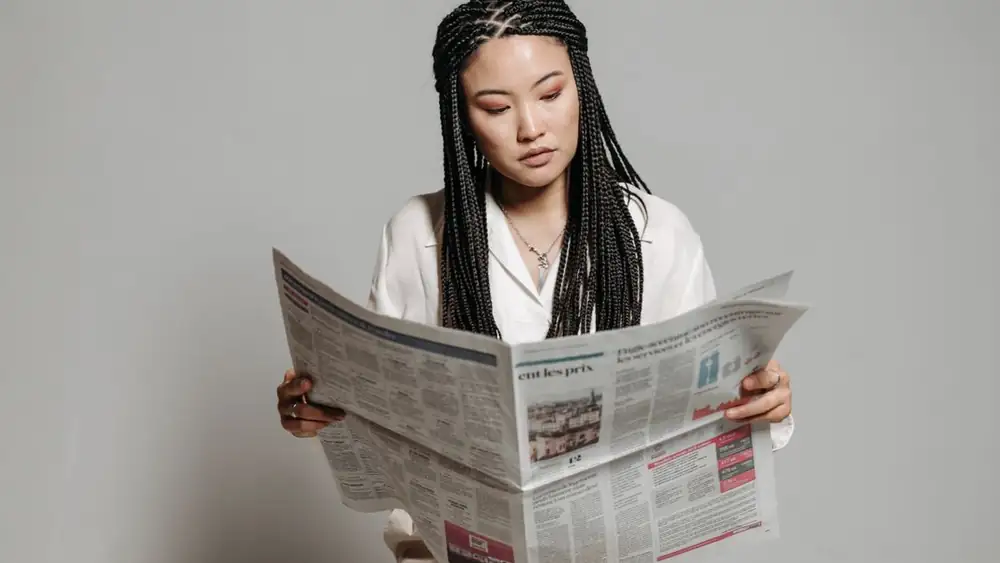
Media Literacy 101: How to Identify Reliable News Sources in a World of Misinformation
In an era where misinformation spreads faster than ever, knowing how to spot reliable news is more critical than ever. With fake headlines, manipulated videos, and biased reporting flooding social media and websites, it’s easy to feel overwhelmed. But by mastering media literacy, you can navigate the chaos with confidence and make informed decisions about what to believe.
What Is Media Literacy?
Media literacy is the ability to access, analyze, evaluate, and create media in all its forms. It’s not just about reading news—it’s understanding how messages are crafted, who benefits from them, and what truths might be obscured. In today’s digital age, where misinformation can spread globally within minutes, media literacy is a vital skill for staying informed without being misled.
How to Identify Reliable News Sources
Spotting trustworthy news isn’t about having a sixth sense—it’s about applying simple checks. Here are key steps to help you identify reliable news media:
1. Check the Source’s Credibility
- Publishers with a reputation: Reputable outlets like The New York Times, BBC, and Reuters have rigorous editorial standards and fact-checking processes.
- Avoid clickbait: Sites that prioritize sensational headlines over accuracy (e.g., “10 Shocking Facts You Never Knew!”) often lack credibility.
**Tip:** Look for the publication’s mission statement or about page to understand its goals and potential biases.
2. Verify Information with Fact-Checkers
Fake news thrives on uncertainty, but tools like Snopes, FactCheck.org, and Poynter’s International Fact-Checking Network can help debunk myths. If a story seems suspicious, cross-reference it with trusted fact-checkers before sharing.
3. Cross-Reference with Other Outlets
Reliable news is often reported consistently across multiple sources. For example, if a major event like a natural disaster or political scandal is covered by reputable outlets such as CNN, The Guardian, and local public broadcasters, it’s more likely to be accurate.
4. Look for Transparency and Context
Trustworthy sources provide context, cite their sources, and avoid emotionally charged language. For instance, a reliable article about a scientific study will explain its methodology, sample size, and potential limitations—rather than just stating “a new miracle drug works.”
The Role of Social Media in Spreading Misinformation
Social media amplifies misinformation by prioritizing engagement over accuracy. Posts with sensational claims often go viral faster than factual updates. A 2023 Pew Research study found that **64% of U.S. adults believe fake news has caused confusion about basic facts**. To combat this:
- Question the source: Is the post from a verified account or a suspicious page?
- Use browser extensions: Tools like NewsGuard rate websites’ reliability with color-coded ratings.
- Think before you share: Verify claims before forwarding—misinformation spreads faster when people ignore the need to confirm facts.
Why Media Literacy Matters for Your Daily Life
Misinformation doesn’t just affect politics—it impacts health, finance, and personal safety. For example, during the COVID-19 pandemic, false claims about cures led to dangerous behaviors, while accurate news media helped communities follow life-saving guidelines.
Media literacy empowers you to filter out noise and focus on what truly matters. By learning to ask critical questions—Who wrote this? What’s the intent? Is there evidence?—you become an active participant in maintaining truth in public discourse.
Conclusion: Take Control of Your News Diet
In a world flooded with misinformation, media literacy is your most valuable tool. By applying these steps to identify reliable news media, you can protect yourself from manipulation and contribute to an informed society. Remember: The goal isn’t just to find the “right” news—it’s to think critically about all the information you consume.
Take action today: Start by verifying a single news story this week, sharing reliable sources with your network, and treating every headline as a puzzle waiting to be solved. With practice, media literacy becomes second nature—and that’s how we outsmart misinformation for good.