
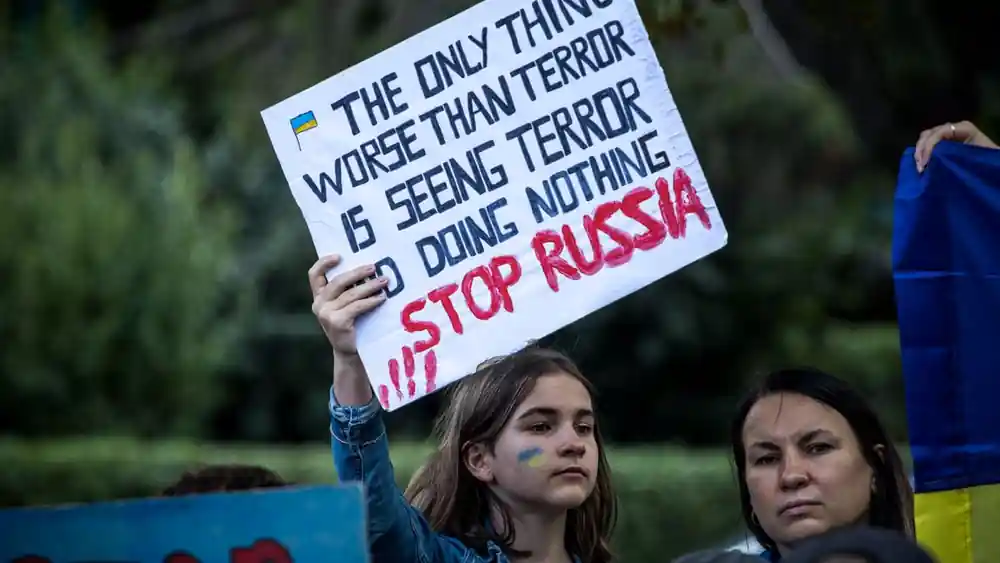
The Ukraine-Russia Conflict: A Complex Crisis
The war between Ukraine and Russia has become one of the most significant global conflicts since World War II, with far-reaching implications for geopolitics, economics, and international relations. Understanding this crisis requires examining its origins, recent developments, and how news media shapes public perception. As tensions escalate, staying informed through reliable sources is critical for anyone seeking to grasp the full scope of events.
Origins of the Conflict
The conflict began in 2014 when Russia annexed Crimea, a peninsula in southern Ukraine, and supported separatist movements in eastern regions like Donbas. This action was widely condemned by the international community, leading to sanctions against Russia and reduced diplomatic ties with Ukraine. The situation escalated further in 2022 when Russia launched a full-scale invasion of Ukraine, citing “protecting Russian-speaking populations” as its justification.
- Key event: Annexation of Crimea (2014) marked the first major escalation.
- Human toll: Over 9 million Ukrainians have been displaced since 2014, according to UN data.
Recent Developments and Key Events
In recent months, battles in areas like Kharkiv and Mariupol have shaped the war’s trajectory. Ukraine has successfully defended key cities while countering Russian advances with Western military aid. Recent news media reports highlight shifting frontlines, increased drone warfare, and growing humanitarian crises in occupied territories.
Major developments:
- Kharkiv counteroffensive: Ukrainian forces have reclaimed significant territory in northern Ukraine.
- Mariupol siege: The city remains a focal point of intense fighting, with dire conditions for civilians.
- Zelenskyy’s leadership: President Volodymyr Zelenskyy has become a symbol of resilience and strategic diplomacy.
The Role of News Media in Covering the Conflict
News media plays a pivotal role in shaping public understanding of the Ukraine-Russia conflict. However, biases and misinformation can distort narratives. For example, Russian state-controlled outlets like RT often frame events as “special operations” to protect civilians, while Western media emphasizes civilian suffering and geopolitical tensions.
- Bias examples: RT portrays Ukrainian casualties as collateral damage; BBC highlights civilian displacement.
- Social media impact: Misinformation spreads rapidly online, complicating efforts to discern facts.
Global Implications and Broader Impact
The conflict has disrupted global markets, driven energy prices, and strained international alliances. NATO countries have increased military spending, while economic sanctions on Russia aim to isolate the nation diplomatically. Meanwhile, Ukraine’s defense efforts rely heavily on Western support, including weapons, training, and financial aid.
Economic effects:
- Russia: Sanctions have crippled its economy, leading to hyperinflation and rationing.
- Ukraine: GDP growth has stagnated, with energy shortages affecting daily life.
- Globally: Energy prices rose 40% in 2022 due to disrupted supply chains.
Tips for Navigating News Media During the Crisis
With so much conflicting information, it’s essential to seek reliable sources. Prioritize reputable outlets like BBC, Reuters, and The New York Times, which adhere to strict editorial standards. Cross-check facts using platforms like FactCheck.org, and be wary of sensationalized headlines.
- Facts: Verify claims through multiple trusted sources before sharing.
- Context: Understand geopolitical motivations behind each nation’s actions.
- Criticism: Engage with diverse perspectives to avoid confirmation bias.
A Call for Informed Engagement
The Ukraine-Russia conflict is a complex, evolving crisis that demands careful analysis. By understanding its historical roots, staying updated on key developments, and critically evaluating news media, individuals can form well-rounded opinions. As the situation continues to unfold, remaining informed is not just about awareness—it’s about fostering global solidarity and accountability.
Stay curious, stay critical, and keep seeking truth amid the noise.